

Quick answer
The best time for Vancouver whale watching is a morning tour, ideally the 08:00–12:00 window, when the Strait of Georgia stays calm and whale activity peaks. Sightings run strongest through summer, roughly June to October, as salmon runs draw orcas and humpbacks inshore. Entry to the strait is free; only operators charge.
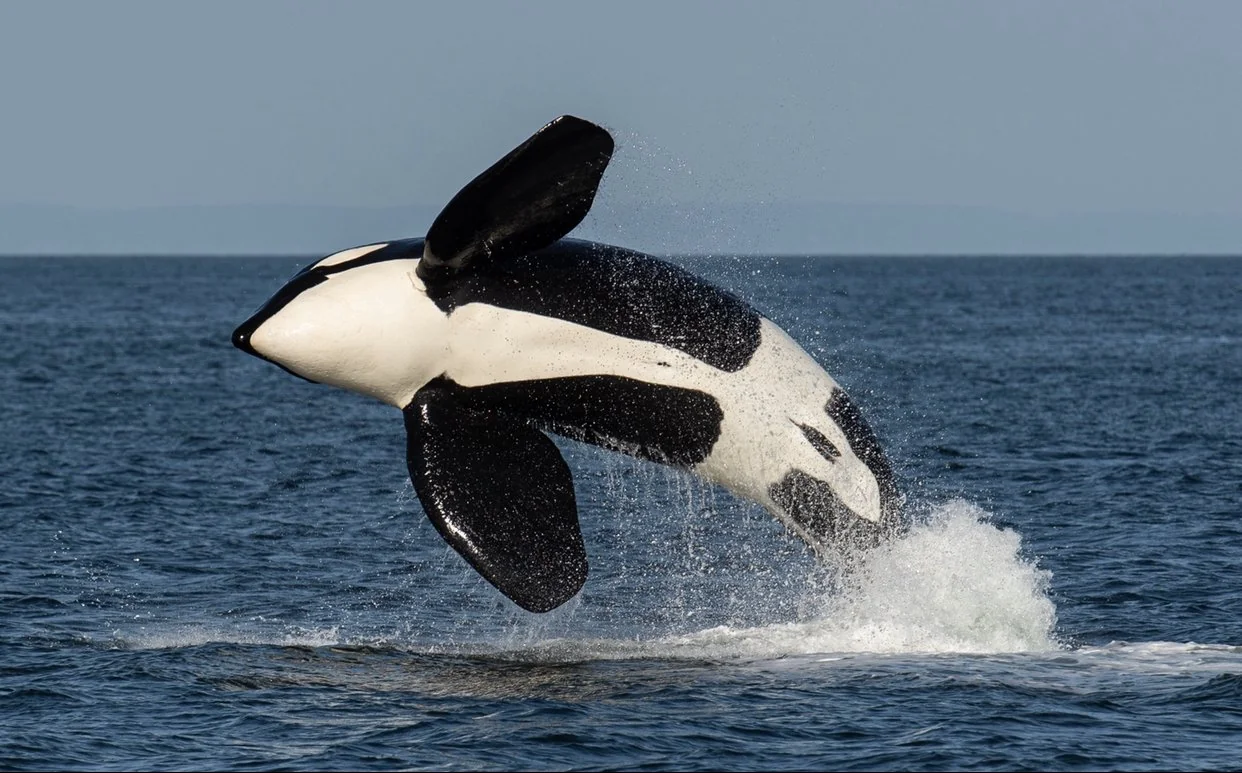
Two entirely different populations of killer whale patrol the Strait of Georgia, and they almost never mix. Fish-eating Southern Resident orcas track salmon, while mammal-hunting Bigg's orcas follow seals and porpoises. Together the two groups make the region one of the most reliable places on the Pacific coast to encounter whales. Knowing this split explains why the vancouver whale watching best time follows the water more than the calendar: whales appear where and when their prey does. The strait is a protected inland sea between Vancouver Island and the mainland, and that shelter matters. Wind builds through the afternoon, so a whale watching tour launched early meets flatter water and clearer sightlines. The canonical arrival window of 08:00–12:00 exists for this reason, not by accident. Tidal currents move large volumes of water through narrow passages like Active Pass, concentrating the small fish and krill that larger animals feed on. Slack and flood tides can shift where boats find activity within a single morning. Free access to the strait keeps the barrier low; the cost sits with the operators who run the boats and carry the naturalists who read the water. Sightings are never guaranteed, and that honesty is worth holding onto. Naturalists on the Strait of Georgia whale watching runs use hydrophones and shore reports to raise the odds, but marine wildlife keeps its own schedule. Humpbacks have returned to these waters in growing numbers over the past decade, widening the season and the range of what a passenger might see. The practical move is simple: treat morning departures as the default, build in a flexible day, and let the sections below on season, species and departure ports fill in the detail. Used that way, the vancouver whale watching best time becomes a planning anchor rather than a guarantee, a sensible starting point for anyone weighing a trip onto British Columbia's inner coast.
“The best time follows the water, not the calendar; whales appear where and when their prey does.”
The Optimal Months and Hours: Vancouver Whale Watching Best Time
The peak window for whale watching in the Strait of Georgia runs from May to October, with July through September offering the highest chance of spotting both orcas and humpback whales. Within this season, morning departures between 08:00 and 12:00 are ideal due to calmer sea conditions and high wildlife activity.
July to September
High; busiest summer tourist window.Warm and dry, averages 15–20°C.
This prime period matches the migratory patterns of humpback whales and peaks in resident and transient orca activity. Calm waters make spotting marine mammals easier.
May to June
Moderate; steady rise in passenger numbers.Cool and variable, averages 11–15°C.
Early season offers the arrival of migrating humpback whales and transient killer whales. Winds can be stronger, but tour spaces are easier to reserve than in mid-summer.
October
Low; minimal passenger volume.Cool and damp, averages 8–12°C.
Late season features active humpbacks feeding before migration, though departures become highly dependent on autumn storm patterns. Booking in advance is recommended as daily departures decrease.
Weekday mornings
Fewer passengers on local vessels.—
Morning tours between 08:00 and 12:00 take advantage of calmer marine winds and active feeding periods. Booking during the week avoids weekend day-tripper rushes.
Verdict: Select a Tuesday or Wednesday morning tour between 08:00 and 12:00 from July to September for the calmest sea conditions, minimal passenger congestion, and peak whale sightings.
Spotting Orcas and Humpbacks: Species Sighting Timelines
The Strait of Georgia serves as a vital feeding and migratory corridor for diverse cetacean species. Visitors can spot both resident and transient populations throughout the year depending on prey availability.
Bigg's Killer Whales
These mammal-hunting orcas travel in small, stealthy family groups of two to six individuals. They can be found in the strait year-round, pursuing seals and sea lions close to the shoreline.
Watch for sharp dorsal fins cutting through calm coastal waters near seal haulouts.
Humpback Whales
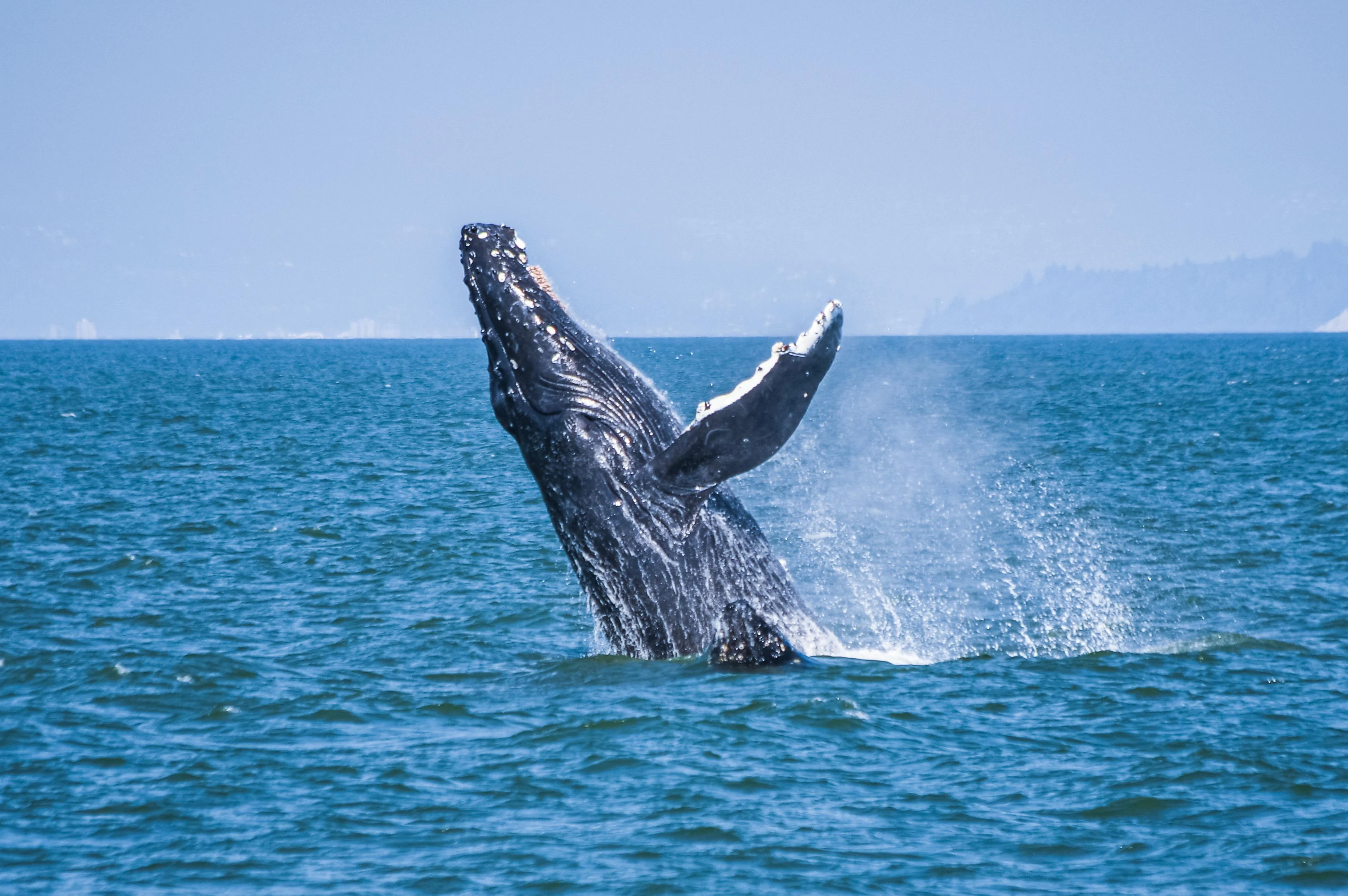
Arriving between May and November, these massive baleen whales feed heavily on krill and small schooling fish. They frequently display active surface behaviors like pectoral fin slapping and tail fluking before deep dives.
Look for a tall blow and an arched back with tail flukes.
Grey Whales
These baleen whales pass through the region during their spring migration between Mexico and Alaska. Some individuals linger in the shallow coastal bays to filter-feed on bottom-dwelling invertebrates.
Scan shallow bays in spring for mottled grey backs without dorsal fins.
Minke Whales
As the smallest baleen whales in the area, minkes are solitary and incredibly fast swimmers. They surface briefly without a prominent blow and can be difficult to track due to their unpredictable dive patterns.
Watch for a small curved dorsal fin surfacing quickly and unpredictably.
Common Pitfalls When Planning Around the Vancouver Whale Watching Best Time
A few planning errors can cost you sightings or a refund. Sidestep these to make the most of the morning window on the Strait of Georgia.
Booking the tour on your trip's last day
Weather cancellations happen, so leave a buffer. Book early in your stay to allow rebooking on a calmer day.
Wearing light clothing on the water
Open water runs colder and windier than shore. Dress in warm layers regardless of the forecast.
Assuming evening tours have higher sighting rates
The recommended arrival window is 08:00–12:00, when mornings offer calmer waters and optimal whale activity. Choose a morning departure.
Underestimating total time on the water
Trips can run several hours plus travel to the departure port. Block a half-day rather than a tight hour or two.
Skipping advance booking during peak months
Morning slots fill fast in season. Reserve ahead through the site's booking pages instead of arriving unbooked.
Confusing free strait access with a free tour
Entry to the Strait of Georgia is free, but tour operator prices vary. Budget for a separate operator fee.
Insider Advice for Selecting the Vancouver Whale Watching Best Time
Maximize your chances of a smooth and successful excursion in the Strait of Georgia with these practical strategies from experienced local travelers.
Prioritize Morning Departures for Comfort
Morning departures from 08:00 to 12:00 frequently experience calmer waters before afternoon winds rise in the Strait of Georgia. This timing is ideal for minimizing motion sickness and enjoying a smoother cruise.
Schedule Early in Your Trip
Book your outing for one of your first days in Vancouver to allow buffer time. If you experience a rare trip without sightings, the typical tour operator guarantee provides a free return voucher that you can use later in the week.
Evaluate Vessel Styles for Comfort
Select a multi-deck cruiser if you prefer an indoor heated cabin and a more stable platform. Choose a zodiac boat only if you are comfortable with wind exposure, sea spray, and a bumpier ride close to the water surface.
Leverage Shared Spotting Data Later
Afternoon tours benefit from real-time tracking coordinates shared between captains throughout the morning. This collaborative network often allows later vessels to navigate directly to active pods without searching.
Check Standby Sighting Guarantee Rules
Redeeming a whale sighting guarantee usually requires booking on a standby basis and may incur small administrative or conservation fees. Always check if you need to pay these local surcharges when booking your return trip.
Verify Harbor Currents and Tides
Tidal movements through the narrow passages of the Strait of Georgia influence where baitfish gather. Ask operators about local tide cycles, as peak currents often correlate with active feeding behaviors.
Essential Gear Checklist for a Salish Sea Excursion
Pack in the order below, from booking weeks ahead down to what you grab on the morning of your Strait of Georgia trip.
-
Reserve your tour in advance — Popular morning departures fill quickly, so confirm your seat weeks ahead through the site's booking pages.
-
Carry photo ID and confirmation — Operators verify the name on your booking before boarding.
-
Pack windproof layers — Open water off British Columbia stays cool and breezy even on clear days.
-
Apply and bring sunscreen — Glare reflects off the water and burns faster than on land.
-
Take motion sickness remedies — Dose before departure, since swells build once you leave sheltered water.
-
Attach a camera strap — A wrist or neck strap keeps your gear safe on a moving deck.
-
Bring a reusable water bottle — Staying hydrated helps with seasickness and there is no fee to fill up before you go.
-
Aim for the 08:00–12:00 window — Morning tours offer calmer waters and optimal whale activity.
Strait of Georgia Departure Ports and Nearby Attractions
Pairing your tour with local sights maximizes a day on the water, especially when departing from key ports around the Strait of Georgia. Exploring historical landmarks and dining options before or after your tour fits naturally into a morning itinerary.
Steveston Village
This historic Richmond fishing village serves as a major departure hub. After a morning tour, you can walk along the boardwalk and buy fresh seafood directly from the docks.
Granville Island Public Market
Located steps from the Vancouver departure docks, this bustling market offers food stalls and local crafts. It makes a convenient stop for lunch after completing an early morning cruise on the strait.
Gulf of Georgia Cannery
This national historic site showcases the region's salmon canning heritage. Visiting this museum complements your maritime excursion by highlighting the fishing history of the Strait of Georgia.
Stanley Park
Situated near downtown departure points, this massive urban park features a paved seawall and historic totem poles. It offers a scenic landscape for a stroll following a day of wildlife viewing.
Check availability
FAQ about vancouver whale watching best time
Everything you need to know about vancouver whale watching best time